Introduction: The Curious Case of “Nosy” vs “Nosey”
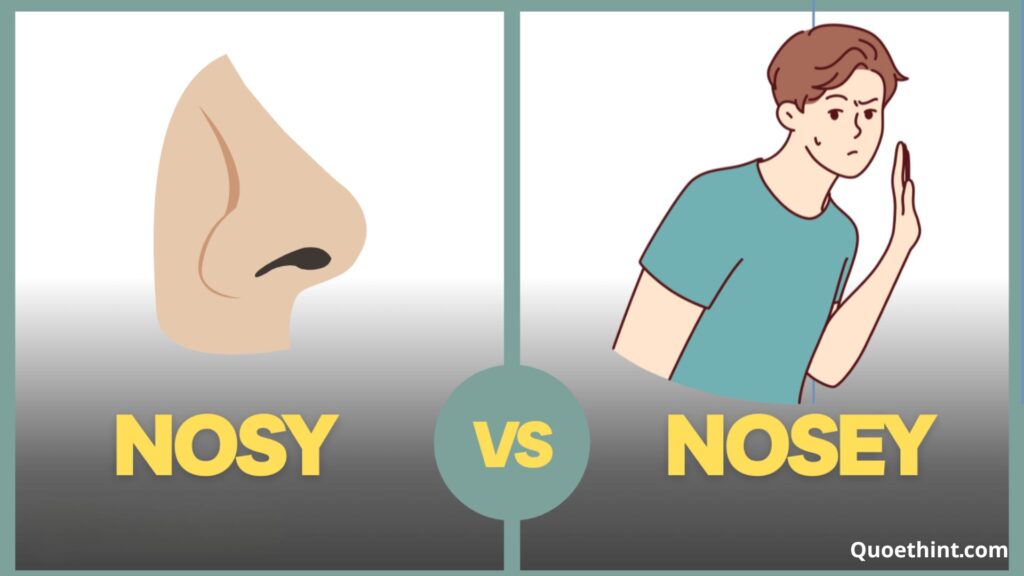
Have you ever paused mid-sentence, wondering whether the correct spelling is nosy or nosey? This seemingly small difference sparks confusion in emails, essays, and casual conversations alike. While both spellings exist, choosing the right one depends on context, regional preference, and your audience. Understanding this nuance ensures your writing is not only correct but also communicates with clarity.
In this article, we’ll break down the differences, explore real-world scenarios, and give you practical tips on using these words without second-guessing yourself.
Understanding the Meaning: What Does “Nosy” or “Nosey” Really Mean?
Both nosy meaning and nosey meaning share the same core idea: someone who is overly curious about others’ affairs. This is the person who peeks at your messages, asks too many personal questions, or just can’t help but pry into private matters.
For example:
- “Emily’s nosy questions about our finances made everyone uncomfortable.”
- “I can’t stand how nosey Tom gets at family gatherings, asking about topics no one wants to discuss.”
Here, the focus isn’t just on curiosity it’s on crossing the line between normal interest and intrusive behavior. Using the correct spelling helps your writing convey this idea clearly, whether in professional emails or casual text messages.
Spelling Matters: American vs British Preferences
When debating is it nosy or nosey, geography often provides the answer.
- American English prefers nosy. This is the spelling you’ll see in U.S.-based publications, emails, and textbooks.
- British English often favors nosey, making it more common in the U.K., Australia, and other Commonwealth countries.
Example scenario:
Imagine sending an email to a U.S. colleague:
Hi Sarah,
Just a heads-up, our new intern can be a bit nosy. She might ask questions about project details before meetings.
Best,
Mark
Now picture writing the same email to a British audience:
Hi James,
Just a heads-up, our new intern can be a bit nosey. She might ask questions about project details before meetings.
Cheers,
Fiona
Both emails convey the same meaning, but adapting the spelling ensures it feels natural to the reader.
Context is Key: When to Use “Nosy” or “Nosey”
Understanding the context helps determine which spelling fits best. Consider these factors:
- Audience: Are you writing for Americans, Brits, or a global audience?
- Medium: Emails, social media posts, or formal essays might each have slightly different expectations.
- Tone: Are you being casual, humorous, or formal?
For example, in a friendly group chat:
“Can you believe how nosy Jenna is? She read my entire email chain!”
In a formal report intended for a UK-based client:
“Some employees displayed nosey behavior during confidential meetings, which impacted workflow efficiency.”
Here, choosing the right spelling maintains communication clarity and reflects awareness of regional preferences.
Practical Tips: Avoiding Common Mistakes
Many writers stumble on nosy vs nosey because they assume both spellings are interchangeable everywhere. Here are some strategies to avoid mistakes:
- Know your audience. U.S. readers expect nosy, while U.K. readers may prefer nosey.
- Check style guides. If you’re writing for a publication or company, their guidelines often dictate which spelling to use.
- Consistency is key. Avoid mixing spellings in the same piece it looks sloppy.
- Use context clues. If your text emphasizes intrusive curiosity, ensure the word fits naturally.
Example in an email scenario:
Subject: Update on Team Dynamics
Hi Alex,
I noticed some nosy inquiries popping up during the project meeting yesterday. Could we remind everyone about privacy protocols?
Thanks,
Rachel
Switching “nosy” to “nosey” would be perfectly fine for a British audience, but sticking with the American spelling here ensures consistency for a U.S. office.
Intrusive Curiosity: When “Nosy” Becomes a Problem
It’s easy to think of nosy person or nosey person as harmless curiosity. But sometimes it crosses the line into intrusive behavior, causing discomfort or tension.
Scenario example – personal email:
Hi Mia,
Just a quick note please don’t be nosy about John’s new project. He’s sharing updates only with the management team for now.
Thanks,
Karen
Here, the writer uses the term to address prying behavior, signaling boundaries without being rude. Understanding this subtlety ensures your language is precise and tactful.
Fun Examples: Everyday Nosy Situations
Here are a few playful examples where “nosy” or “nosey” might pop up:
- Workplace chat:
“Don’t be nosy, but did you hear who got promoted?”
- Family text:
“Grandma’s so nosey, she already knows about the surprise party!”
- Social media post:
“I swear my neighbor is nosy; she’s peeking over the fence again.”
These scenarios demonstrate how versatile the word is. It can describe curious personality traits lightly or call out crossing the line when needed.
Pronunciation Tips: Sounding it Out
Even though the spelling may differ, nosy pronunciation and nosey pronunciation remain virtually identical: /ˈnoʊ.zi/.
Using the correct spelling in writing, however, matters more than in speech. Emails, essays, or social media posts will show your awareness of English spelling variations, reflecting professionalism and attention to detail.
Choosing Your Words: Clarity Over Preference
At the end of the day, whether you pick nosy or nosey, the goal is effective communication. Here’s a quick checklist:
- Who is your audience?
- What is the tone of your piece?
- Does the spelling maintain clarity and consistency?
Following this checklist ensures that your writing remains precise, readable, and culturally sensitive.
Conclusion: Ending the Great Debate
The debate between nosy vs nosey isn’t about right or wrong it’s about knowing your audience, context, and purpose. Use nosy for American English and nosey for British English. Adapt the word depending on whether you’re sending a casual email, drafting a formal report, or posting on social media.
Next time someone asks, “Is it nosy or nosey?” you can confidently explain the difference, provide examples, and demonstrate thoughtful, nuanced writing. After all, choosing the right spelling is just one way to show that you value communication clarity and precision without being overly intrusive like a truly nosy person.

Bugti is the founder of Quoethint.com, a hub for English language tips, writing advice, and grammar guidance. With years of experience in English studies and a passion for clear communication, Bugti created this platform to make grammar and writing easy to understand for everyone.